
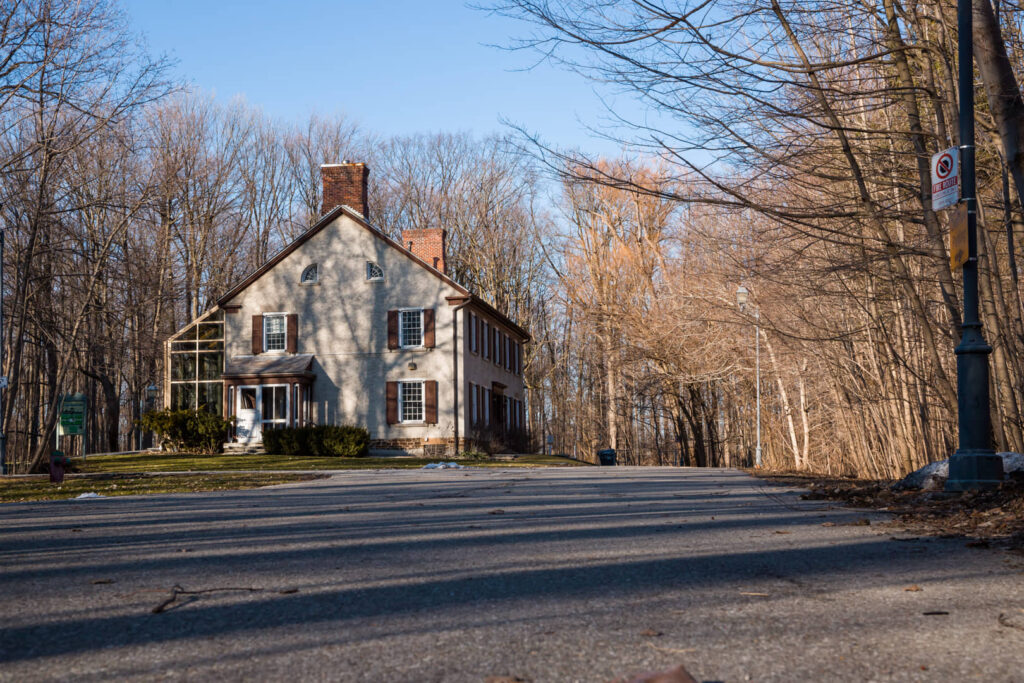
A vacant property doesn’t announce its problems — it quietly accumulates them. Every month the house sits empty, the tax bill arrives, the insurance renews, and something small goes wrong with nobody there to catch it. If you’ve been carrying a vacant Pocono property, you already know that knot-in-the-stomach feeling of owning something that’s costing you more than it’s giving back.
Inaction is the only option that guarantees things get worse. Everything else moves you forward.
The hidden toll on your finances
Vacant properties in the Poconos are expensive to carry in ways that aren’t always obvious at first. Property taxes still accrue. Insurance premiums typically spike for unoccupied homes. Utilities need to stay connected through winter to prevent pipe damage — or risk costly freeze repairs if they don’t. And because nobody’s watching, small problems become big ones before you find out about them.
A slow roof leak goes unnoticed for months. Faulty wiring sits unchecked. Mold establishes itself behind walls while the house looks fine from the street. By the time any of it surfaces, you’re not dealing with a $500 fix — you’re dealing with a $15,000 problem.
If code violation fines are already part of the picture, those compound the pressure further. For more on navigating that side of things, see pocono house with code violations.
Why vacant homes invite trouble
A house that looks empty signals to inspectors, neighbors, and vandals alike that no one is paying attention. Inside a tight-knit Poconos community, an abandoned-looking property stands out — and not in ways that protect you.
Municipalities can and do step in on blighted properties. Pennsylvania’s Abandoned and Blighted Property Conservatorship Act (Act 135) allows a nonprofit or qualified party to petition the court to take over a vacant, deteriorating property and restore it to habitable condition. In 2024, a Pittsburgh court upheld exactly this kind of conservator appointment for a vacant building (Nochumson P.C.). The Poconos aren’t Pittsburgh, but the law applies statewide — and the longer a property sits neglected, the more realistic that risk becomes.
If municipal notices are already arriving, borough keeps sending letters poconos covers how to respond and what your timeline looks like.
Ways to cut the costs and stress
A vacant property is a quiet drain — on your money and your mind. Here are the real paths forward:
- Renovate and rent. If you have access to repair funding, rental income can offset carrying costs and put the property to work. But if the repair list is already overwhelming, this route adds responsibility before it adds relief. See overwhelmed by home repairs poconos before committing to this path.
- Sell as-is. Skip the repairs entirely and walk away with cash. A direct sale to a buyer who specializes in as-is properties means no renovation timeline, no contractor management, and no more monthly carrying costs. See selling pocono home as is.
- Sell fast for cash. If the property is draining you and speed matters, a direct cash sale can close in days — not months. One transaction clears the taxes, stops the insurance clock, and ends the cycle. See sell pocono house fast without repairs.
- Reassess what you’re holding onto. If this is an inherited property you never planned to own, the question isn’t just financial — it’s whether holding on is serving you at all. See inherited pocono house dont want.
The most common consequences of waiting
Here’s what vacant Pocono property owners typically face when they delay:
- Emotional burden. The chronic low-grade stress of owning something you can’t use and can’t seem to resolve bleeds into everything else. This isn’t small — it’s often the real cost of waiting.
- Code violations. Empty houses attract inspectors. Ignored notices escalate into fines. Fines escalate into enforcement actions.
- Property taxes in arrears. Missed payments lead to liens. Liens lead to tax sales. Behind on property taxes poconos covers exactly what that timeline looks like in Monroe County.
- Repair surprises. No one is there to catch the slow leak, the pest intrusion, or the failing sump pump. Vacant homes deteriorate faster than occupied ones — and the damage is always worse than expected.
Your next step
A vacant property doesn’t fix itself — it just costs more every month you wait.
Pick your path: address the taxes, pursue a renovation-to-rental plan if the budget supports it, or take a cash sale that ends it cleanly. If you can’t afford to fix the house or the property has been sitting while you weigh your options, the clearest move is getting one cash offer.
That number tells you what you’re actually working with — and puts you in a position to decide rather than just worry.